Why the Basin and Faucet Should Be Chosen Together
The wash basin and the faucet go hand in hand. Their relationship affects not only the appearance of the bathroom but also how comfortable the space is to use.
If they are chosen independently, there might appear a number of problems. It might be too short for the basin, thus spraying the water to the rim. Or too high, so much splashing would happen. Sometimes even if there is no problem with functioning, their sizes might look inappropriate.
Designers approach the process in a different manner. They assess the basin and the faucet at once to achieve harmony and consistency in the bathroom. This is perhaps the easiest way of improving luxury bathroom designs.
Understanding Basin Types Before Choosing a Mixer
Different basins will require different types of faucets. It is important to determine what kind of basin you have in order to pick the right mixer.
Countertop Basins
These types of basins rest above the counter’s surface, and they may require higher mixers or even wall mountings.
Under-Counter Basins
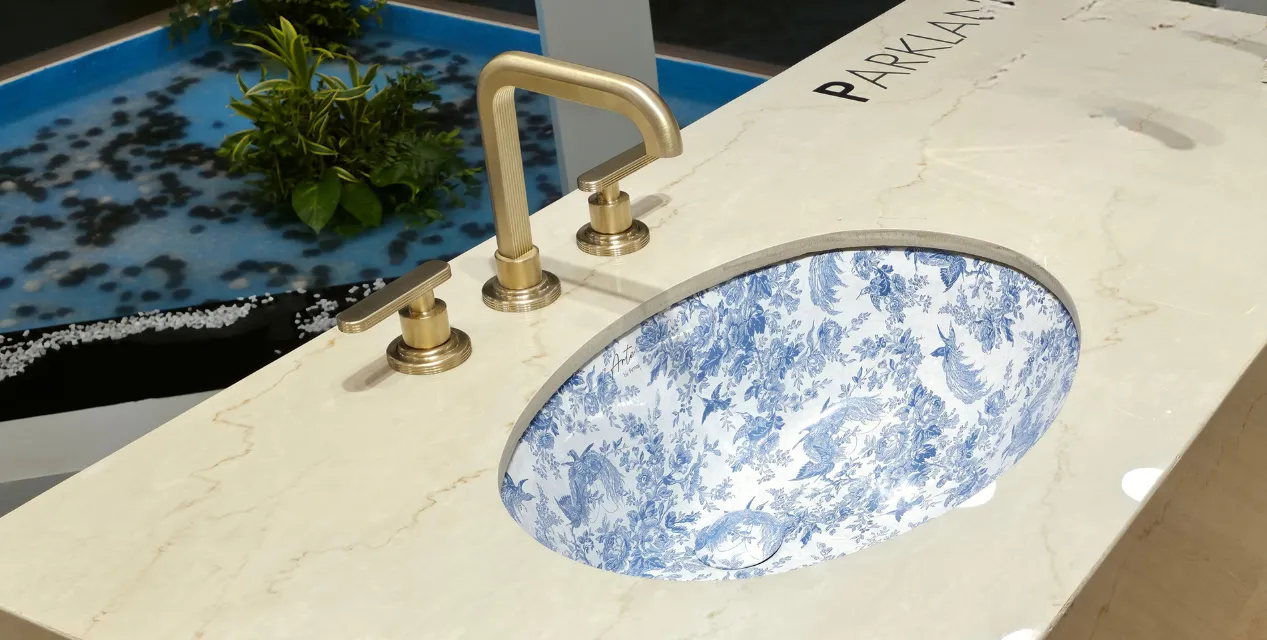
Placed below the countertop, under-counter basins tend to work well with regular sized mixers because of their own low positioning.
Semi-Recessed Basins
This type of basin projects just out of the vanity unit and demands careful calculation of the projection of the spout to place the water correctly.
Wall-Mounted Basins
Wall-mounted basins can go well with wall-mounted mixers or selected deck-mount mixers. This will make your choice of wash basin mixer easy.
Getting the Height and Reach Right
One of the most crucial criteria when selecting a faucet is that of proportion.
The dimensions of the mixer as well as the distance of its spout are crucial for comfortable use. A basin mixer selected properly must pour water right into the centre of the basin without causing splashes or difficult posture.
Some useful guidelines include:
- Higher basins often require taller mixers
- Deeper basins provide more flexibility in faucet selection
- Incorrect spout reach can affect usability
- Functionality should be considered alongside aesthetics
A well-proportioned mixer creates a better user experience while maintaining visual balance within the bathroom.
Matching Design Styles and Shapes
Consistency is one of the keys to successful bathroom design. The basin and faucet should look like they match each other.
Curvy basins go hand-in-hand with mixers whose lines are soft and fluid. In a similar way, geometric basins go well with faucets whose lines are sharp and architectural.
This principle is often applied in the design of bathroom basin and faucet sets. Instead of combining styles that do not have any connection with each other, harmony is created by repeating the shapes and proportions.
Inconsistency in design language can ruin the entire bathroom interior.
Choosing the Right Finish
The finishing of the faucets is another crucial aspect to consider while selecting the basin and faucets. It impacts not just the look of the faucet, but also its compatibility with other fixtures and surfaces.
Popular options include:
- Polished chrome for a timeless appearance
- Brushed finishes for a softer and more contemporary look
- Matte finishes for modern interiors
- Warm metallic tones for added character and depth
The selected finish should blend well with other bathroom components, such as accessories, shower fittings, and hardware. Finishes that match help create a sense of harmony throughout the room.
The FIMA Perspective on Bathroom Coordination
A good bathroom design is usually all about paying attention to the details. Little things can make a big difference when it comes to the final outcome.
At FIMA, we believe that a basin mixer is more than just delivering water. It also plays an important role in balancing the design of your bathroom and ensuring your comfort.
That is why our range of designs is created with much care in relation to their proportions, forms, and finishes. Instead of treating faucets as single entities, we consider how they work in combination with other elements and within larger systems.
Our aim is to assist designers and homeowners in creating harmonious and elegant bathrooms.
Designer Tips for a More Refined Bathroom
Professional designers often follow a few simple principles when selecting basin and faucet combinations.
These include:
- Keep finishes consistent throughout the space
- Match the scale of the faucet to the basin
- Consider how the bathroom will be used daily
- Avoid oversized fixtures in compact spaces
- Prioritise functionality alongside appearance
These small considerations can make a significant difference in the final result.
Creating Balance in Luxury Bathroom Designs
Balance is one of the defining characteristics of successful luxury bathroom designs.
Every element should feel connected to the overall design vision. The basin, mixer, accessories, materials, and finishes should work together rather than compete for attention.
A carefully selected wash basin mixer helps establish this balance. It supports both the practical needs of the user and the visual identity of the bathroom.
When proportions, finishes, and functionality align, the space feels more sophisticated and timeless.
Matching a faucet with a wash basin is about more than selecting two attractive products. It requires consideration of proportion, functionality, style, and finish.
A well-chosen basin mixer enhances usability while contributing to the overall design narrative of the bathroom. Small details such as spout height, reach, and finish coordination can have a significant impact on the final result.
At FIMA, we believe that thoughtful design begins with these details. When basins and faucets are selected as part of a complete design strategy, they help create bathrooms that feel balanced, elegant, and enjoyable to use every day.
FAQs
How do I choose the right basin mixer for my wash basin?
The right basin mixer depends on the basin type, height, and depth. The spout should direct water toward the centre of the basin while providing comfortable clearance for everyday use.
Can any faucet be used with any basin?
Not always. Different basin styles require different faucet heights and projections to ensure proper functionality and visual balance. Selecting compatible products helps avoid issues such as splashing and awkward water flow.
What height should a basin mixer be?
The ideal height depends on the basin design. Countertop basins often require taller mixers, while under-counter basins generally work well with standard-height models.
Should basin mixers match other bathroom fixtures?
Yes, maintaining consistency in finishes and design language helps create a more cohesive bathroom. Matching fixtures contribute to a cleaner and more refined overall appearance.
What is the best finish for wash basin mixers?
There is no single best finish, as the choice depends on the overall design style. Chrome, brushed finishes, matte surfaces, and warm metallic tones can all work well when coordinated with the rest of the bathroom.
 11/07/2026
