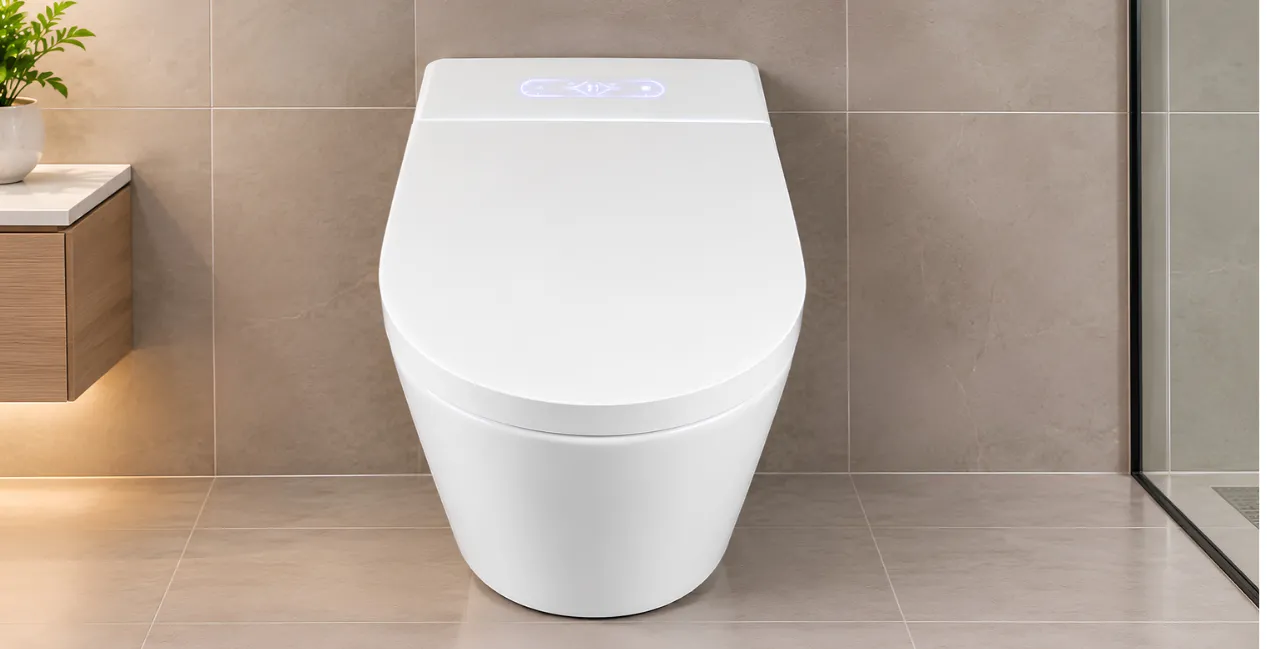
modern bathroom fittings
date 08/11/2026

Which Sanitary Ware Is Best for Small Bathrooms?

Choosing the right sanitary ware is essential for making a small bathroom more spacious, comfortable and functional. Wall-hung toilets, compact washbasins and space-saving fixtures help use limited floor space effectively while maintaining everyday convenience.

Modern bathroom fittings such as wall-mounted basin mixers, concealed shower mixers and floating vanities further reduce visual clutter and create a clean, organised appearance.

Whether you are designing a new apartment bathroom or renovating an existing one, selecting fixtures according to the available space can make a significant difference. Here are seven practical ideas to help you choose suitable sanitary ware and create a more fun

What Should You Look for in Space-Saving Sanitary Ware?

Space-saving sanitary ware should fit your bathroom dimensions while allowing enough room for comfortable movement. Before selecting any fixtures, consider the following factors:

For example, a compact wall-mounted washbasin is a practical choice for a small bathroom because it takes up less floor space and keeps the area underneath open.

With these factors in mind, let’s explore seven practical sanitary ware and bathroom fitting ideas for small bathrooms.

1. Choose a Wall-Hung Toilet to Save Floor Space

A wall-hung toilet is one of the most effective choices for a compact bathroom. Unlike a conventional floor-mounted toilet, it is attached to a supporting frame, while the cistern and plumbing connections are concealed behind a suitable wall or service structure.

This design keeps the floor underneath the toilet clear, creating a cleaner and more open appearance.

Why is a wall-hung toilet suitable for small bathrooms?

Before purchasing, check the supporting frame, wall depth, plumbing arrangement and maintenance access. The installation must be properly planned because the concealed cistern and supporting structure need to carry the required load.

For more details about installation requirements and advantages, read our guide to wall-hung toilet installation and its benefits.

For a coordinated bathroom design, consider the proportions and finish of the toilet alongside your other sanitary ware.

2. Install Wall-Mounted Basins for Better Space Utilisation

A traditional pedestal basin can occupy valuable floor space, particularly in narrow bathrooms. Wall-mounted basins offer a practical alternative because they are fixed directly to the wall without requiring a bulky pedestal.

The open space underneath makes the bathroom feel lighter and provides more flexibility when arranging other fixtures.

Popular wall-mounted basin options include:

When choosing a basin, consider its width, depth and installation height. A basin that is too deep may restrict movement, while an extremely small basin can cause water splashing during use.

Also, check the position of the water supply and waste outlet before installation. Proper planning helps avoid unnecessary plumbing adjustments later.

For more design inspiration, explore FIMA’s bathroom design blogs covering contemporary bathroom solutions and Italian design.

For more design inspiration, explore FIMA’s luxury bathroom faucets and discover contemporary bathroom solutions inspired by Italian design.

3. Choose Wall-Mounted Basin Mixers to Keep Surfaces Clear

The washbasin is one of the most frequently used areas in a bathroom. However, traditional deck-mounted taps occupy space on the basin or countertop.

A wall-mounted basin mixer offers a cleaner arrangement because its spout and controls are installed on the wall. This leaves more usable space around the basin and makes the countertop easier to clean.


Key benefits of wall-mounted basin mixers:

The spout projection and basin depth must be considered together. The water should fall comfortably inside the basin to reduce splashing.

Learn more about how wall-mounted basin mixers transform compact bathrooms and create a cleaner, more organised washbasin area.


4. Select a Floating Vanity with Smart Storage

Bathroom essentials such as toiletries, towels and cleaning products need proper storage. Without an organised arrangement, even a carefully designed bathroom can quickly become cluttered.

A floating vanity is attached to the wall rather than resting directly on the floor. It provides storage while leaving the floor underneath visible, helping create an open appearance.

Here are some practical vanity ideas:

A floating vanity works particularly well with wall-mounted basins and mixers. Together, these modern bathroom fittings create a balanced layout and make better use of limited space.

Before installation, check the wall’s load-bearing capacity and the position of the plumbing connections. A suitable installation system is essential for long-term stability.

5. Use Concealed Shower Mixers for a Clean Shower Area

A shower area can look crowded when it contains several exposed pipes, bulky controls and unnecessary accessories.

Concealed shower mixers offer a more streamlined solution. Their built-in components remain inside the wall, while only the controls and selected outlets are visible.

Why consider concealed shower mixers?

However, concealed mixers do not automatically increase usable floor space. Their main advantage is a cleaner appearance and better organisation of the shower area.

Before installation, check the wall depth, built-in body, water connections and maintenance requirements. For example, FIMA offers a thermostatic built-in shower mixer with two volume control valves and a safety stop handle at 38°. The exposed part and built-in component requirements should be checked for the selected model.

Planning these details before tiling can prevent expensive modifications later.

6. Add Recessed Niches and Smart Bathroom Storage

Recessed niches provide a practical alternative. They are built into suitable wall spaces and can hold shampoos, soaps and other bathroom essentials without projecting into the room.

Other useful storage ideas include:

If you are adding niches inside a shower area, ensure proper waterproofing and drainage. The wall structure must also be checked before creating any recess.

The objective is to keep commonly used products accessible without occupying the basin countertop or bathroom floor.

7. Select Compact Sanitary Ware with the Right Proportions

Choosing smaller products is not always the best solution for a small bathroom. The important thing is to select fixtures that match the available dimensions and allow comfortable movement.

For example, a compact basin may work perfectly in a guest bathroom, while a slightly larger basin may be more suitable for a family bathroom.

Use this comparison when planning your layout:

Bathroom Fixture Recommended Option Main Benefit
Toilet Wall-hung toilet Open floor underneath
Washbasin Compact wall-mounted basin Less floor obstruction
Basin tap Wall-mounted mixer More countertop space
Vanity Floating vanity Open floor appearance
Shower mixer Concealed mixer Less visible plumbing
Storage Recessed niche Uses available wall space


Before purchasing, measure the bathroom carefully. Check the door opening, toilet clearance, basin depth, shower entry and space required for comfortable movement.

Also, review the manufacturer’s technical drawings instead of relying only on product photographs. This helps ensure that the selected modern bathroom fittings will fit the actual layout.

What Measurements Should You Check Before Buying Sanitary Ware?

Good space planning starts with accurate measurements. When exploring luxury sanitary ware brands in India, consider the dimensions of each fixture carefully to ensure it fits your bathroom layout, allows comfortable movement and meets your everyday needs.

Consider these points before finalising your bathroom products:

1. Measure the available floor area: Note the total bathroom length and width, including door openings and any architectural projections.

2. Check the basin depth: Make sure the washbasin does not interfere with the bathroom door or the available walking space.

3. Plan toilet positioning: Check the required side and front clearances according to local plumbing standards and the manufacturer’s installation instructions.

4. Review shower access: Ensure there is enough room to enter, move and use the shower comfortably.

5. Confirm plumbing connections: Check water inlet and waste outlet positions before selecting wall-mounted or concealed fixtures.

6. Consider future maintenance: Concealed systems should have suitable access for servicing and replacement of components.

These checks help avoid installation problems and make your bathroom more comfortable for everyday use.

How to Make a Small Bathroom Look Bigger

Apart from choosing suitable sanitary ware, a few simple design decisions can make a compact bathroom appear more spacious.

Design Tip What to Do Benefit
Use light colours Choose white, beige and soft neutral shades. Makes the bathroom look brighter and more open.
Install a large mirror Place a large mirror above the washbasin. Reflects light and creates a sense of visual depth.
Choose matching finishes Coordinate faucets, mixers and bathroom accessories. Creates a neat and organised appearance.
Improve lighting Use suitable ceiling lights and mirror lighting. Brightens dark corners and improves visibility.
Keep the floor clear Install wall-mounted fixtures and floating storage. Makes the floor look more open and spacious.
Avoid unnecessary accessories Keep only essential decorative and functional items. Reduces visual clutter in a compact bathroom.


Combining these ideas with carefully selected modern bathroom fittings can create a bathroom that feels both practical and visually balanced.

Conclusion

Designing a small bathroom is about making every part of the available space useful. Wall-hung toilets, wall-mounted basins, floating vanities, concealed mixers and recessed storage can help reduce clutter while improving everyday convenience.

The best modern bathroom fittings are not simply attractive; they should also suit the room’s dimensions, support comfortable movement and meet everyday requirements. Measuring the space, checking installation details and selecting products with practical designs can help you avoid common bathroom planning mistakes.

FIMA Carlo Frattini India brings Italian design and functional bathroom solutions together through its range of faucets, mixers and sanitary ware. Its Italian faucet designs combine elegant styling with everyday functionality, helping create a coordinated look in compact bathrooms. With thoughtful planning and suitable product choices, even a small bathroom can become an organised, comfortable and elegant space.

FAQs

Which sanitary ware is best for a small bathroom?

Wall-hung toilets, compact wall-mounted washbasins, floating vanities and concealed shower mixers are suitable choices for small bathrooms because they help reduce visual clutter and use available space efficiently.

Are wall-hung toilets suitable for small bathrooms?

Yes. Wall-hung toilets keep the floor underneath clear, making a small bathroom look more spacious and easier to clean.

Which washbasin is best for a small bathroom?

A compact wall-mounted, corner or slim-profile washbasin is ideal for a small bathroom. Choose its size according to the available space and daily requirements.

Do wall-mounted basin mixers save space?

Yes. Wall-mounted basin mixers free up countertop space by placing the tap and controls on the wall, creating a cleaner washbasin area.

How can I make a small bathroom look bigger?

Use light colours, large mirrors, good lighting, wall-mounted fixtures and floating storage. Keeping the floor and countertops clear also makes the room feel more open.

What should I consider before buying sanitary ware for a small bathroom?

Check the fixture dimensions, installation requirements, plumbing connections, available clearance, ease of maintenance and user comfort before purchasing.