Why Shower Performance Often Feels Inconsistent
People often look for the design of the shower but ignore its performance inside. Just because it looks good doesn’t mean that one will have a comfortable time using it.
The poor performance of a shower usually results from poor water pressure, the wrong flow rate, or no way to control the temperature. This impacts the flow of water and its effect on the skin.
If there isn’t a good balance, the shower will feel hard at some point and too soft at others. The change of temperature can also interfere with the process.
Understanding Flow Rate and Water Pressure
Flow rate and water pressure are related, but they are not interchangeable terms. Both of these factors should go hand in hand in order to have an enjoyable shower.
Flow rate is the volume of water released from the shower head, and it is usually calculated in litres per minute. High flow rate gives a better coverage area, which is crucial for large shower heads.
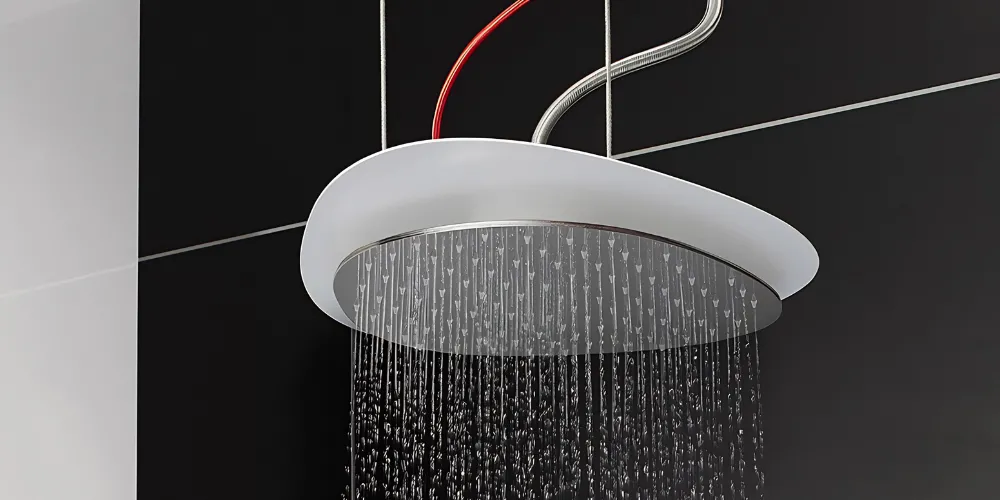
Water pressure is basically the strength with which water leaves the shower. It makes water either hard or gentle to touch.
Considering water pressure vs flow rate in showers, one should bear in mind that both play their role:
- Low pressure with high flow results in a weak and sparse spray
- Low flow with high pressure means a powerful but small water jet
- A good combination of both factors ensures an optimum shower experience
Shower flow rate at home must be chosen based on personal preferences and the design of the shower itself.
Role of Thermostatic Shower Control
Maintaining consistent temperature is just as important as ensuring a good water flow. Rapid variations in temperature are not only uncomfortable but can pose dangers to well-being.
This is when the thermostatic shower control comes into play. It keeps the temperature of your showering experience constant despite variations in pressure across other parts of your house.
Advantages of using a thermostatic shower control are:
- Constant and comfortable temperature
- Elimination of frequent adjustments required
- Enhanced safety
In addition to providing convenience, thermostatic shower control increases efficiency because you do not have to keep readjusting the temperature of your water.
How These Factors Work Together
For the effective functioning of a shower, the relationship between the flow rate, pressure, and thermostatic control needs to be considered.
In fact, each of these parameters is responsible for a particular aspect:
- The flow rate influences the amount of water reaching the body
- The pressure impacts the comfort of the water flow
- The thermostatic control ensures that the water temperature remains constant
When all these factors are balanced, the result will be natural and pleasant.
Design and Engineering Behind High-Performance Showers
Every good shower system has been designed and engineered with care. There are many components that work internally to ensure efficient performance.
The cartridges will control the flow and mix of temperature. The valves will ensure pressure control. The design of the shower head determines the spread of the water.
An efficient shower system is designed with all these considerations. It will make sure that water is delivered uniformly. We have taken this into consideration at FIMA and have been designing our shower systems accordingly.
The FIMA Approach to Shower Performance
Balance is at the core of Italian designs, and such principles are also evident in showering products from FIMA Carlo Frattini. In our company, we aim to create products that will guarantee an ideal balance between shower water flow and pressure, with a simultaneous guarantee of temperature stability.
Our products are developed based on the latest technological achievements to provide reliable operation over time. This results in showers that are consistently performing without the need for constant adjustments.
How to Improve Shower Performance at Home
Upgrading your shower doesn’t necessarily mean remodelling it. Small modifications can go a long way.
Here are some aspects you should consider:
- Is your water pressure stable?
- Does your shower head match your piping system?
- Should thermostatic showers be preferred in your case?
- Are installation procedures properly applied?
All these measures will contribute to a better shower balance.
Shower performance depends on more than just design. It is shaped by the balance between flow rate, pressure, and temperature control.
Understanding shower flow rate and pressure helps explain why water may feel too weak or too strong. Adding a thermostatic shower control ensures that the temperature remains stable and comfortable.
At FIMA, we focus on combining engineering precision with design clarity to create shower systems that perform consistently over time.
When these factors are aligned, the result is a shower that feels smooth, reliable, and easy to use every day.
FAQs
What is the shower flow rate?
Shower flow rate refers to the amount of water delivered through the shower head, usually measured in litres per minute. It affects how much coverage you get and how evenly water flows during a shower.
What is the ideal shower pressure?
The ideal shower pressure is one that feels strong enough for comfort without being too harsh. It should work in balance with the flow rate to provide a smooth and steady water experience.
What does a thermostatic shower do?
A thermostatic shower maintains a constant water temperature throughout use. It prevents sudden changes, making the shower safer and more comfortable.
Why does my shower pressure fluctuate?
Shower pressure can change due to variations in water supply, plumbing issues, or simultaneous use of water in other parts of the home. These fluctuations can affect both comfort and performance.
How can I improve shower performance at home?
You can improve shower performance by checking water pressure, selecting the right shower system, and using thermostatic controls. Proper installation and maintenance also play an important role in ensuring consistent performance.
 14/05/2026
