Why Ceiling Rain Showers Need Proper Planning
Ceiling showers are permanent fixtures. After installation, the location and efficiency of the shower will remain constant. Therefore, proper planning becomes critical compared to regular shower systems.
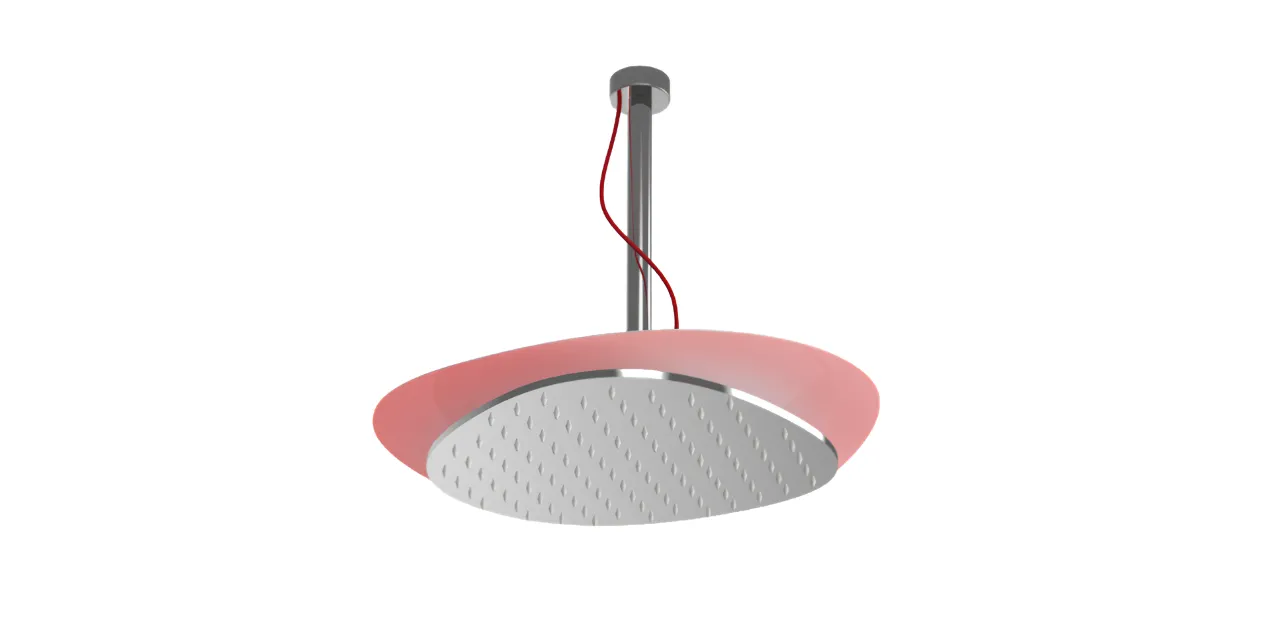
While conventional showers can be adjusted to fit any desired angle, ceiling showers rely on accurate positioning. The water flow should accurately hit its target location. Any misalignment can make using the shower uncomfortable.
A carefully planned ceiling shower offers users an optimal experience right from the beginning. There should be no need to alter the body posture during the bath.
Understanding Ceiling Height and Placement
The height of the ceiling is a critical factor that affects the performance of the shower. If it is too high, the water may not have enough pressure to impact the body, while in case it is too low, there might be a feeling of restriction.
When designing a luxury bathroom rain shower mounted to the ceiling, the optimal height will depend on:
- Bathroom ceiling height and structure
- Type and size of the shower head
- Desired water flow experience
Positioning also matters, as the shower head must be positioned and aligned with the center of the showering area. Correct height and placement create a comfortable and natural shower experience.
Choosing the Right Shower Head Size and Flow
The size of a shower head will determine its effectiveness and performance. The larger the size, the wider the area the water spreads, but the water pressure must be adequate for the head to perform well.
Some factors to consider when choosing a ceiling rain shower system include:
- Larger heads cover more area but require high pressure
- Small heads provide concentrated streams with low-pressure requirements
- Outlets influence the evenness of water distribution
- Flow rate needs to match your plumbing system capacity
A balance between size and performance is important. Choosing a large shower head without sufficient pressure can reduce the overall experience.
Importance of Thermostatic Control
Stable temperature is essential for comfort. Any variations in water temperature may influence both performance and safety.
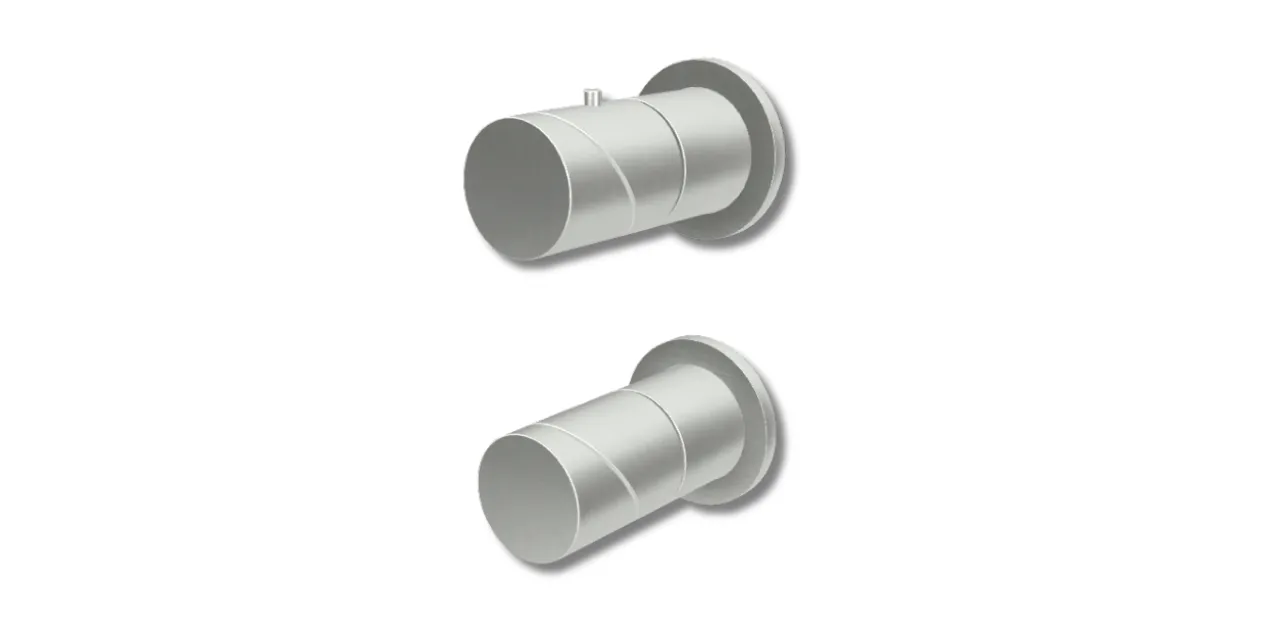
Thermostatic ceiling showers are engineered to ensure constant water temperature. After being set at certain temperatures, the showers provide a stable temperature during use.
This ensures:
- A steady and comfortable experience
- No sudden hot or cold changes
- Reduced need for manual adjustment
In luxury bathrooms, thermostatic control is not just an added feature. It is an essential part of the system.
Layout Planning and Positioning
The ceiling rain shower needs to be planned as an integral part of the entire bathroom design. This cannot be considered an individual aspect.
Among the most effective ceiling rain shower designs is one that emphasises positioning and spacing. The placement of the shower needs to be such that it facilitates natural flow.
Key factors include:
- Alignment with the shower area and drain
- Proper spacing from walls and partitions
- Comfortable standing area under the shower
- Integration with other fixtures
Good layout planning ensures that the shower feels easy to use and visually balanced within the space.
Water Pressure and Plumbing Requirements
The ceiling rain shower relies heavily on water pressure. Without sufficient pressure, the best-designed system will not deliver.
The plumbing for this must be done to allow a constant supply of water. This involves the correct diameter piping, pressure balancing, and correct installation.
In some instances, further systems must be used to increase the pressure. Planning for this upfront prevents problems in the future. This is necessary to ensure that the shower has coverage and comfort.
Material and Finish Considerations
The bathroom is regularly subjected to exposure to water. The type of material used will influence the quality of the product and its aesthetic value.
Premium ceiling rain showers have materials that do not corrode and maintain their form for a long time. Finish materials should be able to withstand:
- Water stains
- Scratches
- Fading
A lasting finish contributes to the maintenance of the bathroom’s general aesthetic appeal.
The FIMA Approach to Ceiling Rain Showers
Italian design is known for precision and balance. At FIMA Carlo Frattini, this approach is applied to both design and engineering.
At FIMA, we design ceiling rain shower systems with a focus on proportion, performance, and material quality. Our systems are developed using advanced manufacturing standards to ensure consistent water flow and long-term reliability.
This approach allows the shower to integrate seamlessly into modern bathrooms while maintaining a high level of performance.
Many issues with ceiling showers come from small planning errors. Avoiding these can improve both performance and usability.
Common mistakes include:
- Installing the shower at the wrong height
- Ignoring water pressure requirements
- Poor alignment with the shower area
- Choosing design over functionality
Careful planning helps avoid these problems and ensures better results.
A ceiling rain shower can transform a bathroom, but only when planned correctly. Every detail, from height to water pressure, plays an important role in the final experience.
Understanding how to choose a ceiling rain shower system helps ensure that design and performance work together. Proper layout, reliable plumbing, and quality materials all contribute to a better outcome.
At FIMA, we focus on combining Italian design clarity with engineering precision to create shower systems that perform consistently over time.
With the right approach, a ceiling rain shower can deliver both comfort and visual impact, making it a valuable addition to any luxury bathroom.
FAQs
What is a ceiling rain shower?
A ceiling rain shower is a shower system installed directly into the ceiling, designed to deliver water evenly from above. It creates a rainfall-like experience with wider coverage compared to standard wall-mounted showers.
How to choose a ceiling rain shower system?
You should consider factors like shower head size, water pressure, ceiling height, and whether the system includes thermostatic control. Proper planning ensures that the shower performs well and feels comfortable in daily use.
What height is best for a ceiling rain shower?
The ideal height depends on your ceiling and the type of shower head used. It should be positioned so that water reaches the body with enough pressure while still providing a comfortable and natural flow.
Do ceiling rain showers need high water pressure?
Yes, especially if you are using a larger shower head for wider coverage. Adequate water pressure ensures even distribution and helps maintain a consistent and satisfying shower experience.
What is a thermostatic ceiling shower system?
A thermostatic ceiling shower system maintains a stable water temperature throughout the shower. It prevents sudden changes in temperature, improving both comfort and safety during use.
 21/05/2026
